

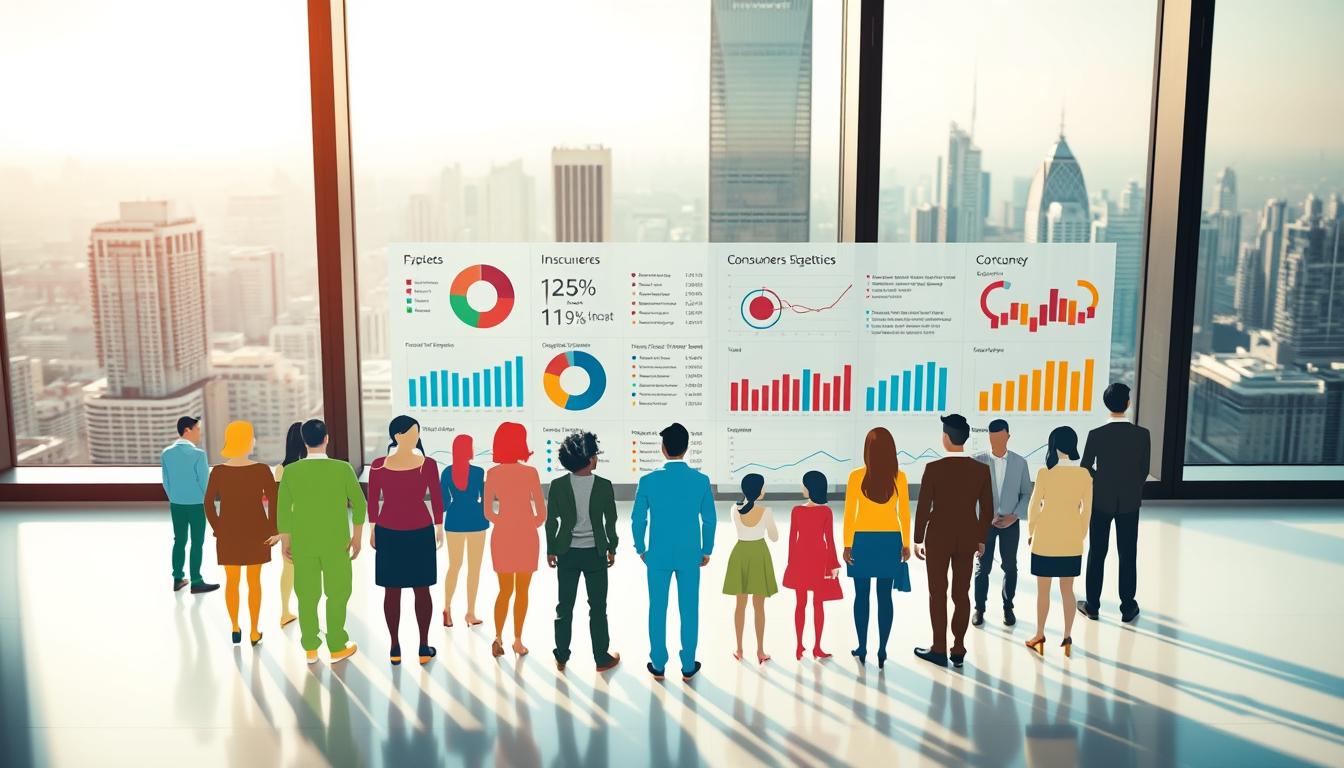
In the United States, over 30,000 new products are introduced every year. Yet, about 95% of them fail. This shows how important a data-driven approach is for success.
Using real-time analytics and predictive models gives you an edge. Brands that do well focus on experiential marketing. They also connect deeply with their target audience through detailed market analysis.
Data helps you understand what makes a product launch successful. By listening to audience feedback and making quick changes, you can stay ahead. This way, you can adjust your strategy before it’s too late.
Key Takeaways
- A data-focused product launch strategy can boost success rates.
- Market research uncovers new angles for growth and refinement.
- Experiential marketing attracts a discerning target market with interactive touchpoints.
- Ongoing market analysis ensures your decisions align with shifting trends.
- Learning how to measure product launch success depends on clear metrics and timely pivots.

Unraveling the Role of Market Research Data
Companies like Netflix and Amazon use market research to make smart marketing plans. They study how people behave and what they say to understand their audience better. This helps them make products that people really want.
When you make choices based on what people want, you build trust. This trust makes your brand more influential. With the right information, you can create products that really stand out.
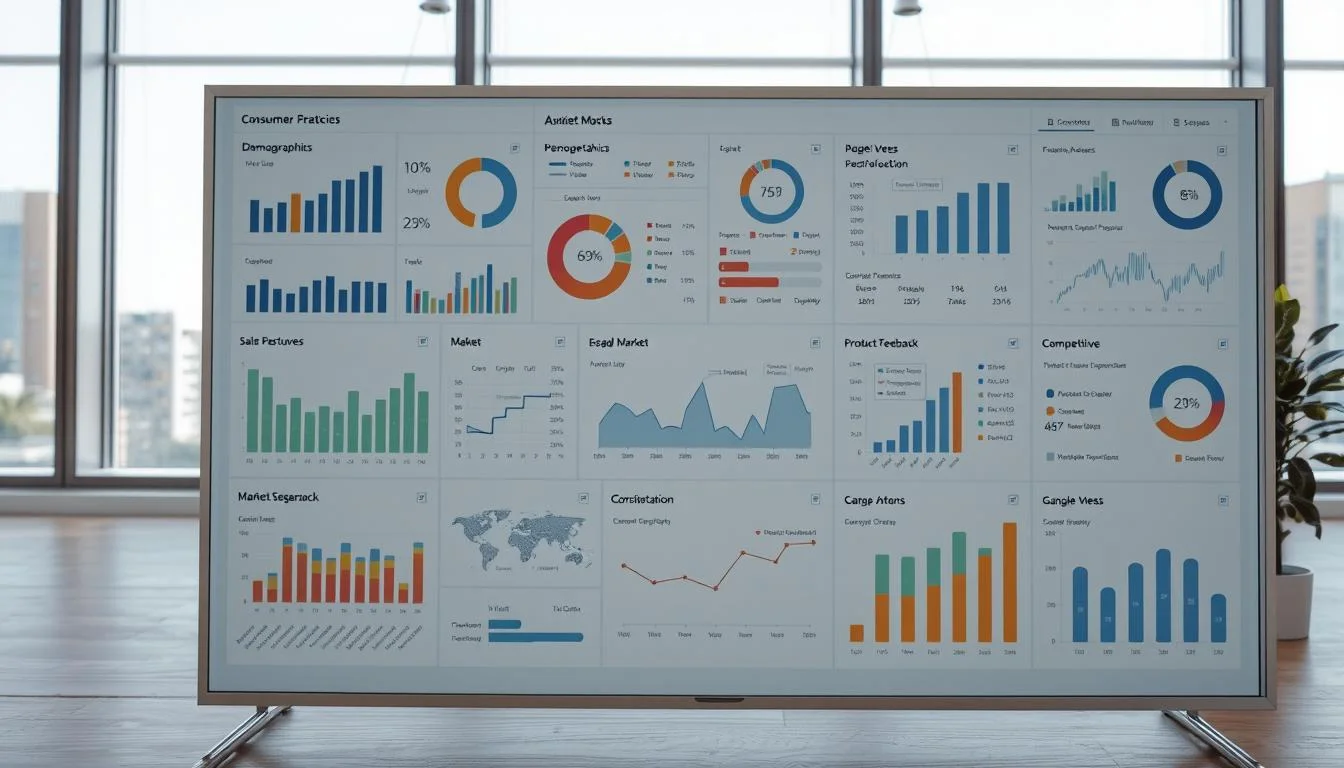
Identifying Your Target Market for an Accurate Start
First, you’ve got to figure out who you’re talking to and why they’d give a hoot about your brand. Predictive marketing, powered by AI, is your crystal ball in 2025—it spots fresh opportunities by crunching data from social media, shopping trends, and even voice search patterns (Gartner, 2025).
This sharpens your brand’s message, saving you from blowing cash on misfires. By diving into data from diverse sources like X posts or e-commerce habits, you get a clear picture of what folks crave.
Leaning into these insights lets you tweak your product to fit their needs like a glove. No more shooting in the dark—you’re building on solid, data-driven ground (Smith & Jones, 2025, Journal of Consumer Insights).
How to Measure Product Launch Success Using Consumer Insights
Ever wondered what your customers really think about your new product? Just ask them. Seriously—there’s no better truth-teller than their own words.
Take Char-Broil in 2025: they ditched the guesswork and used AI tools like Revuze to listen closely to online reviews. What’d they find? Exactly which grill features had people cheering (“This sear is chef’s kiss!”) and which had them scratching their heads (“Why’s the ignition so finicky?”).
But here’s the thing—reviews are just the start. Pair them with surveys and real-world data (like how often folks actually use your product), and suddenly you’ve got the full story.
Not the shiny, Instagram-filtered version, but the messy, honest reality. Maybe your app’s new feature is a home run… or maybe people quietly abandon it after two clicks.
The magic happens when you watch these patterns over time. Spot a dip in engagement? Tweak it.
Notice folks raving about that one detail? Double down. It’s like having a coffee chat with your customers every day—you learn their quirks, fix what bugs them, and give ’em more of what they love.
And that’s how you build something real. Not just a brand that sells stuff, but one that gets people. The kind that earns trust because it actually listens. Because at the end of the day, loyalty isn’t built with flashy ads—it’s built by paying attention, one conversation at a time.
Building a Demand Forecasting Model
Hey, knowing what your customers are gonna want next is super important for your business. It’s all about figuring out how much to produce, how to get it shipped out, and when to kick off those big promotions.
By keeping an eye on what’s trending, you can dodge some pretty pricey slip-ups and get a real feel for what your market’s into.

Getting the Scoop on Your Market
Good forecasting? It starts with digging into some solid market research. You’ve gotta understand what folks are snapping up and who they are.
Are they teens grabbing the latest gadgets or parents stocking up on family essentials? Knowing this helps you nail what they’ll want down the road, making your planning way more spot-on.
Tracking Sales Like a Pro
You can use time series analysis—don’t worry, it’s just a fancy way of saying you’re looking at how your sales have been doing over time.
It’s like checking the scoreboard to see what’s working. Did sales spike during the holidays? Dip in the summer?
This helps you figure out what gets people buying, so you can set smart goals and keep just the right amount of stuff in stock—no more, no less.
Grouping Your Customers
It’s also a smart move to break your customers into different groups. Think about it: young people might be after totally different things than, say, retirees. By focusing on each crew separately, you’re less likely to end up with a warehouse full of stuff nobody’s buying. It’s all about tailoring your game plan to fit who’s shopping.
Teamwork Makes the Dream Work
Building a killer demand forecast isn’t something you do solo. You need your data whizzes, your sales crew, and your managers all in on it.
Picture this: the analysts crunch the numbers, the sales team spills the tea on what customers are saying, and the bosses make the big calls. Toss in some cool predictive tools, and you’re not just keeping up—you’re staying ahead and cutting down on waste.
Why It’s Worth It
With a solid sales forecasting system, you’re ready to pivot fast when things shift. Maybe a trend pops off out of nowhere, or a competitor shakes things up.
Your system compares what’s happening now to what’s happened before, so you’re not wasting resources. Plus, it keeps you one step ahead of the competition, giving you that edge every business dreams of.
So yeah, predicting demand isn’t just some boring business chore—it’s your secret weapon to plan smarter, save money, and keep your customers happy!
Leveraging Consumer Segmentation for a Competitive Edge
Consumer segmentation shows what makes each group unique. It helps you focus on what your audience wants. This way, you can make your product launch better and meet changing needs.
To start, you need to collect lots of data on your customers. Look at their buying habits, how they use your product, and who they are. This helps you pick the right groups to study closely.
Demand forecasting models also play a big role. They help you predict market changes. This way, you can plan your next product launch more effectively.
Using Market Analysis to Pinpoint Opportunities
Market analysis finds hidden gems in your audience. It’s all about finding groups that are underserved but have a lot of value. This is closely tied to looking at how your competitors serve your customers.
By studying what people say and changes in the industry, you can spot where to make big moves. This helps you grow stronger and stay ahead.
Refining Your Pricing Model Based on Consumer Data
Segmentation helps you set prices that fit each group’s budget. It’s all about understanding how much people are willing to spend. This way, you can offer prices that everyone can afford.
By linking your prices to what your customers want, you build trust. This leads to more sales and keeps you ahead in the market. It’s all about knowing your audience and meeting their needs.
Integrating Data Insights into Your Product Launch
Data-driven strategies help your product grow fast. They make sure every launch fits what customers want. Big names like Apple use data to make their launches hit the mark and keep customers coming back.
Streamlining Your Product Release Timeline with Market Trends
Adjusting your launch to market changes is key. Sales forecasts show when to launch for the best results. Your team can then plan distribution to match new data, making each launch a success.
Adapting Your Marketing Plans to Evolving Consumer Needs
Being flexible is important for a successful launch. Quick changes in messaging keep your campaigns on track. Adjusting to social trends ensures your promotions hit the right note, from start to finish.
“Deep knowledge of audience preferences is vital,” stated Tim Cook, CEO of Apple. “Market data drives decisive action, shaping every unveiling across our global footprint.”
Evaluating Company Data for Forecast Accuracy
Accurate forecasts rely on checking past results and current trends. NielsenIQ’s work with small CPG manufacturers highlights the power of internal reports and market intelligence. These tools help improve product strategies by comparing goals with actual outcomes.
Looking closely at product announcements helps spot patterns in consumer interest. This knowledge shapes future product debuts, helping you adapt to changing needs. A data-driven rollout is key for making timely adjustments.
Monitoring feedback at various points boosts each product launch. You learn what works, making quick changes to keep your forecast sharp. Regularly comparing internal metrics with real-world data leads to steady growth.
By comparing performance across different channels, you find what works best. This knowledge gives you confidence to meet consumer expectations. Continuous data analysis keeps your forecasts accurate, ensuring each launch is based on solid results.
Regular analysis of new goals blends past insights with current conditions. This approach drives your team toward data-driven decisions.
By comparing sales trends with market reactions, you improve your predictive skills. Each discovery refines your focus on what customers really want, giving you an edge in future campaigns.
When internal records and external factors align, your forecasts stay reliable and flexible. This step-by-step process lays the groundwork for ongoing product success.
By tailoring each launch to data-driven insights, you build stronger consumer connections. These small gains create a lasting advantage, allowing you to adapt quickly to market changes.
Refining Your Launch Strategy Through Competitive Landscape Analysis
Understanding what makes your products unique is key. Looking at what competitors do can help you find your own special spot in the market. Brands like Oatly use this to find their own unique place.
By studying how others price and promote, you can find areas where you can stand out. This can help you reach parts of the market that others miss. It’s a way to make your launch more impactful by focusing on what’s unique about your product.
Spotting Gaps in Your Market Position
Look for where your competitors might be falling short. This could be in their distribution or the variety of products they offer. By filling these gaps, you can attract new customers.
Keep an ear to the ground with social media and feedback platforms. This helps you understand what people want. Tailor your approach to each platform to make your launch more effective.
Regularly check how you’re doing and adjust as needed. This way, you can stay ahead of the curve and meet changing trends.
Strengthening Your Brand Launch Impact
Make a splash with a memorable launch event. Look at what your competitors are doing wrong to avoid those mistakes. Use this knowledge to create a launch plan that really showcases your brand.
Teasers and sneak peeks can build excitement before your big reveal. Mix engaging content with clear benefits to make a strong impact. This careful planning can help you build a loyal customer base.
Keep an eye on how your competitors react to your launch. This helps you stay ahead by making adjustments as needed. Watching and learning from your competitors can help you stay on top.
By always keeping an eye on what others are doing, you can refine your strategy. This continuous learning helps you stay relevant and attract more customers. Use your own channels to see if your brand is resonating with people. This can give you the edge you need to succeed.
Tracking Key Metrics to Secure a Successful Product Launch Campaign
Spotify and Amazon always check user engagement and sales. They use this feedback to improve their future releases. This helps them keep their brand strong.
Choosing the right product release date is key for a product launch plan. A good timing helps match your brand goals with what buyers want. You get insights from daily analytics.
This makes your product launch campaign a dynamic process. Data guides every step. If initial feedback is not good, you can create new product launch ideas. A detailed product launch checklist keeps important tasks on track.
Checking metrics often lets you act fast. If sales drop, you can change prices or marketing messages quickly. This way, you’re ready for market changes and can succeed.
- Monitor engagement for early sales cues
- Assess conversion rates to spot possible gaps
- Collect feedback to improve product features
This extra awareness makes you more adaptable. It boosts the success of your launch over time. Regular reviews of data lead to quick changes and growth.
Each interaction gives you new ideas. This gives you an edge in a busy market.
Tracking metrics well means your product can grow. With a clear view of your metrics, you can adjust your strategy. This builds brand loyalty and profit.
Conclusion
Robust data analysis is key at every stage of your product launch. It helps you understand consumer behavior and improve your product. Tools like Microsoft Azure or Google Cloud make this process fast.
Generative ai in product launch campaigns helps you reach more people. You get real-time insights and can test new ideas. This way, you can tailor your marketing to fit different audiences.
Using next-gen solutions sets you apart from others. Early adopters see better forecasting and smarter strategies. This focus on data leads to informed decisions and lasting success.
FAQ
How can data analysis improve your product launch strategy?
Data analysis gives you early insights into what customers want. This helps you answer questions about your product and make your strategy better. It also reduces risks, ensuring your product is well-received by the market.
Why is consumer segmentation important for demand forecasting?
Segmentation breaks down buyer patterns in your market. By analyzing these groups with current data, you can create better demand forecasts. This improves planning and pricing for your product launch.
What role does experiential marketing play in a successful product launch?
Experiential marketing engages your audience in a hands-on way. It encourages feedback and builds a strong connection. This approach, backed by data, ensures you adapt quickly to what customers say.
How do you measure product launch success using market research data?
Success is measured by tracking sales, customer feedback, and market share. Data analysis helps compare actual results to goals. This allows for quick adjustments to improve your market position.
What is the importance of competitive landscape analysis before launching a new product?
Analyzing the competitive landscape reveals market gaps and opportunities. It helps you develop a unique selling point. By studying competitors, you can tailor your launch strategy to meet consumer needs better.
How does generative AI in product launch enhance real-time decision-making?
Generative AI offers deep insights by analyzing vast data. It helps spot trends and predict demand. This technology allows for quick adjustments to your launch plan, keeping it agile and focused.
Why is company data collection so critical when introducing a new solution?
Collecting company data reveals hidden opportunities and clarifies market value. It helps refine your pricing model. With internal data and market research, you can make informed decisions for a successful product launch.