
What Exactly Is Machine Learning? A Beginner’s Definitive Guide.

basics of machine learning

In the last two years, about 90 percent of the world’s data was created. Yet, most of it is untouched. 

This guide introduces you to how raw data turns into valuable insights. It focuses on building a strong foundation in machine learning.

Machine learning is about using predictive algorithms to learn patterns without rules. This guide helps you move from rigid coding to flexible, data-driven systems. 

You’ll learn how different machine learning methods have deep roots, tracing back to the quest for human-like intelligence in computing.


Key Takeaways

  • You recognize how massive data volumes fuel automated learning
  • You explore ways machine learning complements, but differs from, AI
  • You grasp the distinction between rule-based tools and adaptive models
  • You see how different machine learning methods tackle real-world tasks
  • You set the stage for deeper exploration of predictive technology

concepts of ml


Understanding the Basics of Machine Learning

You’re on the edge of a field that turns data into useful insights. This guide will walk you through the basics step by step. 

It’s perfect for beginners who want to learn how systems can spot trends and make predictions on their own.


Defining Machine Learning

Machine learning is about training algorithms to find patterns. You give data to a model, and it gets better at making predictions over time. This makes it great for many different tasks.


Machine Learning vs Artificial Intelligence

Machine learning is a part of artificial intelligence. AI tries to be as smart as humans, while machine learning uses data to solve smaller problems. Both need good data and smart design to work well.


Real-World Applications That Matter

Think about your phone’s predictive text, Netflix’s movie picks, and Amazon’s product suggestions. Spam filters in emails also use machine learning. These examples show how important machine learning is in our daily lives.
 

concepts of machine learning simplified


Essential Machine Learning Concepts for Beginners

Understanding the role of data is key. Start by collecting reliable information. Then, split it into a training set and a test set.

This helps your model learn and then check its accuracy on new data.

Learn the difference between classification and regression. Classification predicts categories, while regression predicts continuous values. Be careful of underfitting and overfitting, as they can harm your model’s reliability.

Underfitting means your model misses patterns, while overfitting memorizes noise. Data labeling, cleaning, and feature engineering are vital. Without proper preparation, you might miss important insights.

Boost your model’s performance by ensuring data balance and removing errors. When applying machine learning to data science, focus on data quality. Refine every detail to ensure accurate predictions.

These concepts provide a roadmap for success in data-driven projects. They help you achieve consistent results.


Supervised Learning: How to Get Started

You improve your predictions by matching inputs with known outputs. This method is called supervised learning. It helps with tasks like spam filtering and speech recognition. It also gives data analysts a clear path to accurate results.

Labeled examples guide every decision and show important patterns. Companies use supervised learning methods for efficiency. Each sample helps the system learn to apply what it knows to new inputs. This gives a big advantage in making decisions for different data projects.

supervised machine learning


The Role of Labeled Data in Predictive Modeling

Annotations highlight important details, making predictive modeling more accurate. You study how inputs relate to specific outputs, like predicting home prices. Each labeled example builds trust in your models, leading to reliable results on new data.


Building Your First Predictive Analytics Model

Start with a small dataset, like housing data or sales records. Use tools like Scikit-learn to train your model. 


Unsupervised Learning Methods and Their Applications

Unsupervised learning lets you find hidden patterns in data without labels. It uncovers connections you might miss. This method opens doors to deeper insights and more flexible models.

Top unsupervised learning methods find clusters, patterns, and outliers without labels. This saves time and gives a wider view of data.


Clustering for Pattern Discovery

Clustering is a key unsupervised machine learning method. It finds similarities in data. For example, Amazon uses it to group customers with similar interests.

This helps tailor services and increase customer engagement.

  • Identify groups with shared traits
  • Pinpoint unusual behaviors
  • Design targeted marketing campaigns


Dimensionality Reduction for Data Science

Working with huge datasets can slow you down. Reducing features makes things simpler. It helps you find important patterns with less effort.


Unsupervised Machine Learning Methods in Practice

Netflix uses unsupervised learning to suggest movies. It’s a way to stand out by using these insights. This method reveals the true nature of your data, taking your analysis to new levels.

concepts of machine learning


A Guide to Reinforcement Learning Approaches

Reinforcement learning is unique because it trains agents through trial and error. You give rewards for good moves and penalties for bad ones. This method is great for robotics, playing games, and managing resources.

The agent keeps improving its policy to get more rewards. It also adapts to changing situations.

Talking of AI agents I recently came across a very interesting case study from MIT about Creating Generative AI For Entrepreneurs, which resulted in Hallucination-free responses informed by their unique knowledge base

MIT - Creating Generative AI for Entrepreneurs

Use Case: Interactive Knowledge Retrieval

Reinforcement learning helps agents grow step by step. Each action leads to new possibilities in complex tasks. It’s a key part of AI, where feedback makes the agent better.

This method is different from traditional machine learning. It doesn’t rely on examples or clusters. Instead, it learns by interacting with the environment.

It’s a system that tries, sees the results, and improves over time. This leads to a dynamic form of intelligence with big implications.

Key aspects of this feedback-driven approach include:

  • Reward-based adjustments that refine the agent’s behavior.
  • Exploration and exploitation trade-offs to discover optimal actions.
  • Continuous policy updates, leading to adaptive decision-making.

This method opens doors to new breakthroughs. It’s helping with autonomous vehicles, advanced robotics, and smart resource planning.


Deep Learning and Neural Networks

Technology changes fast, and many of these changes come from deep learning. This process uses layers to analyze data in new ways. It’s behind big advances in fields like self-driving cars and personalized ads.


Understanding Multi-Layer Architectures

Think of these layers as levels, each getting deeper insights from data. Lower layers find simple patterns, while higher ones spot complex ones. This setup learns on its own, making tasks easier than before.


Computer Vision and Natural Language Processing

Computer vision changes how we see images, detect objects, and recognize faces. It looks at pixels to understand details. Natural language processing, on the other hand, deals with huge amounts of text. It helps with automated translation and smart chats.


Deep Learning Methods for Complex Tasks

Deep learning lets you classify signals, predict trends, and manage complex tasks. It turns data into useful insights. 

This is changing healthcare, finance, and transportation, bringing new innovations to your life.

These advances open up new possibilities for next-generation computing. Exploring these systems could change how you use technology today.


Implementing Machine Learning Models in Real-World Projects

You’re at a key moment, turning your machine learning guide into real results. This step needs careful planning and ongoing improvement to meet your goals.

First, get your data ready. Collect it from different sources, clean it up, and make it useful. This makes it easier to test and choose the right machine learning models for your project.

Choosing the right model is all about understanding your problem. You might need a classification, regression, or other type of model, depending on your field. Use simple metrics to check how well it works, and adjust as needed.

When it comes to deploying your model, consider using containers or cloud services for easy growth. 

Choose a solid platform, watch how it performs, and keep an eye on key metrics like accuracy. This way, you can adjust your model to fit changes in finance or other fields.

  • Collect and prepare data
  • Choose suitable model architecture
  • Evaluate performance metrics consistently
  • Deploy and scale with robust tools


Advanced Tips for Scaling Your Machine Learning Skills

Growing your expertise means blending efficiency, collaboration, and strategic thinking. You can take on massive datasets when you deploy on platforms like Amazon SageMaker or Google Cloud AI Platform. This approach offers flexible compute resources that let you test new ideas and refine models swiftly.

Cloud Platforms and Tools bring agility to workflows. You gain access to pre-built services, automated pipelines, and managed infrastructure that simplify your day-to-day tasks. This freedom lets you push further with machine learning key concepts and embrace more complex challenges.

Types of Machine Learning Models for Growth guide you in selecting the right algorithm. Different types of machine learning models are tailored for specific goals, from classification to time-series predictions. 

Your introduction to machine learning algorithms should expand to cover hyperparameter tuning and scalability tactics.

Collaborative Techniques for Team Success keep your entire operation synchronized. Version control for code and data promotes consistency, while continuous integration pipelines streamline updates. These steps ensure every member contributes seamlessly, giving you a robust path toward advanced performance.


Conclusion

You’ve entered a field that’s shaping the future. There are many machine learning methods solving problems in data-driven industries. As you get better, you’ll see how deep learning opens up new possibilities for big and complex data.

Deep learning powers image analysis, natural language understanding, and more. These breakthroughs lead to discoveries in healthcare, finance, and other key areas. Machine learning keeps growing, thanks to global communities sharing tools and findings every day.

Improving your skills means practicing with different models. Experimenting and keeping up with new frameworks helps a lot. Learning from new research, working on open-source projects, and testing ideas in real-world settings is key. This cycle of learning keeps you ready for AI’s changes.

Because the field is always changing fast, your dedication to learning is key. Stay curious, join active groups, and keep refining your approach. These steps help you stay ahead and make a lasting impact in machine learning.

FAQ

Why should you include machine learning in your data workflows?

Machine learning helps find patterns in big data and gives insights. It makes your systems smarter and better over time. This is key in fast-changing fields like finance and healthcare.

Artificial intelligence aims to make systems as smart as humans. Machine learning is a part of AI that learns from data. It gets better with time, without needing to be reprogrammed.

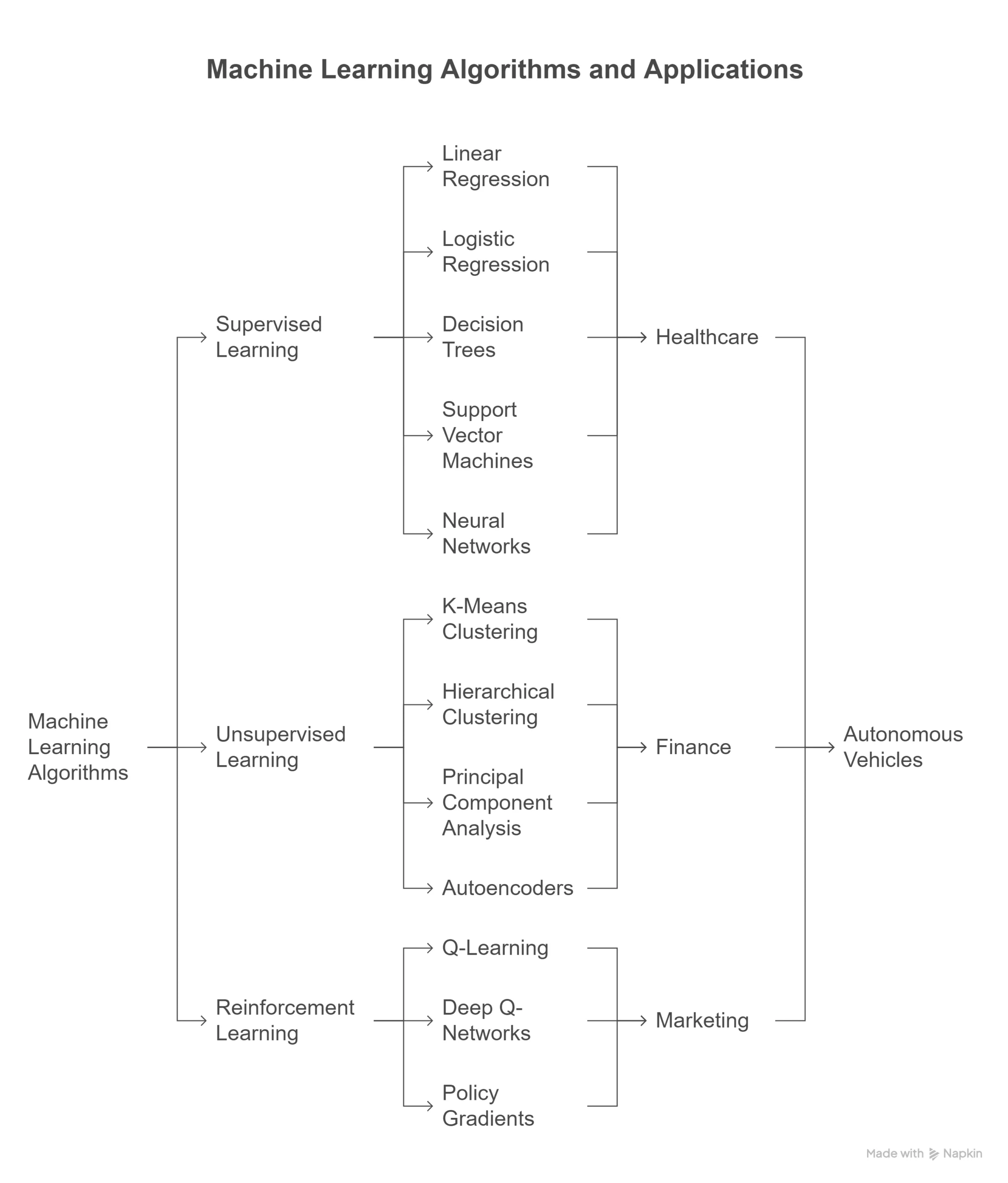
There are three main types: supervised, unsupervised, and reinforcement learning. Supervised learning uses labeled data for predictions. Unsupervised learning finds patterns without labels. Reinforcement learning learns through rewards and penalties.

Supervised learning uses labeled data to teach algorithms. Classification deals with yes/no questions, like spam emails. Regression predicts continuous values, like house prices. You need labeled data to improve the model.

Unsupervised learning finds patterns in data without labels. It’s great for finding groups or odd data points. This way, you can discover new insights that might be missed with labeled data.

Reinforcement learning gives rewards or penalties for actions. It makes decisions to get more rewards. This method has led to big wins in robotics and games.

Deep learning uses many layers to recognize complex data. This helps in tasks like facial recognition and language translation. It’s all about learning from big data.

Start with clean, relevant data and handle missing values. Feature engineering is key to highlight important data points. Good data is essential for accurate models.

Set up CI/CD pipelines and monitor model performance. Use cloud platforms for easy scaling. Containerization ensures consistent deployment.

MLOps connects data science and operations. It ensures model versioning, automation, and collaboration. This helps teams focus on innovation, not deployment issues.